
// Studio study
The language of desire
Why some brands are wanted before they are understood, and how restraint, ritual and detail build that pull.
- Territory
- Branding
- Discipline
- Brand world, verbal identity
- Format
- Self-initiated study
- Year
- 2026
The question
Some brands are wanted before anyone can explain why. Nothing has been claimed, no benefit has been listed, and yet the desire is already there. This study set out to understand what that pull is made of, and whether it can be designed on purpose rather than left to chance.
What we looked at
We studied the way desirable brands speak, or more often, the way they choose not to. We collected packaging, shop windows, launch invitations, product pages and the language around them, and looked for what they had in common beneath very different aesthetics.

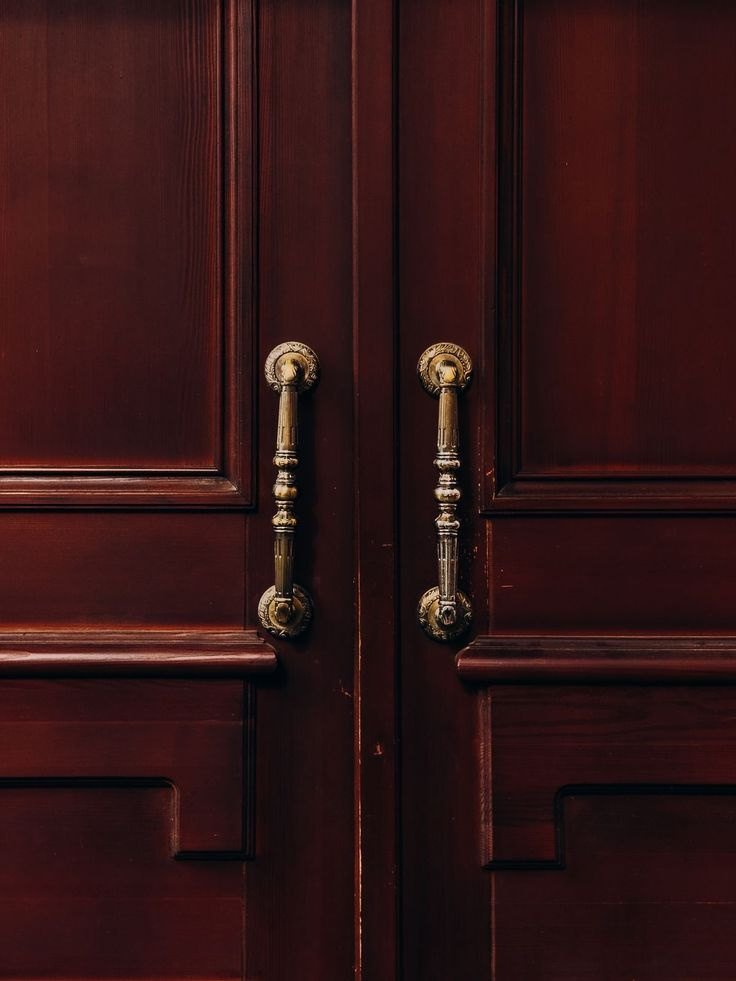
Three patterns kept returning. The first was restraint: fewer words, fewer claims, more space. The second was ritual: an order to things, a way of opening, wearing or using that turns a purchase into a small ceremony. The third was a disproportionate care for detail, in places most people would never think to look.
Desire grows in the space a brand leaves unsaid.
What it suggests
Restraint is not the same as saying nothing. It is the discipline of saying only what matters, and trusting the audience to complete the picture. Ritual gives a brand a rhythm people can return to. Detail signals that someone cared, which is exactly what people want to feel when they choose something for themselves.
For a brand, this becomes a set of practical decisions: what the name sounds like when it is spoken aloud, how much the packaging explains, what the first sentence on the website refuses to say. None of them are dramatic on their own. Together, they make a brand that people lean towards.

Where it leads
The study now informs how we approach verbal identity and brand worlds: we start by deciding what a brand will leave out.
Studio studies are self-initiated explorations, not client commissions.